
Plasma cutting CNC tables have revolutionized the metal fabrication industry. Combining precision, speed, and efficiency, these machines are invaluable for businesses and hobbyists alike. Whether you're looking to upgrade your workshop or start a new project, understanding plasma table cutters can help you make informed decisions. In this article, we will dive into what plasma cutting CNC table are, how they work, their benefits, and what to consider when purchasing one.
What is a Plasma Cutting CNC Table?
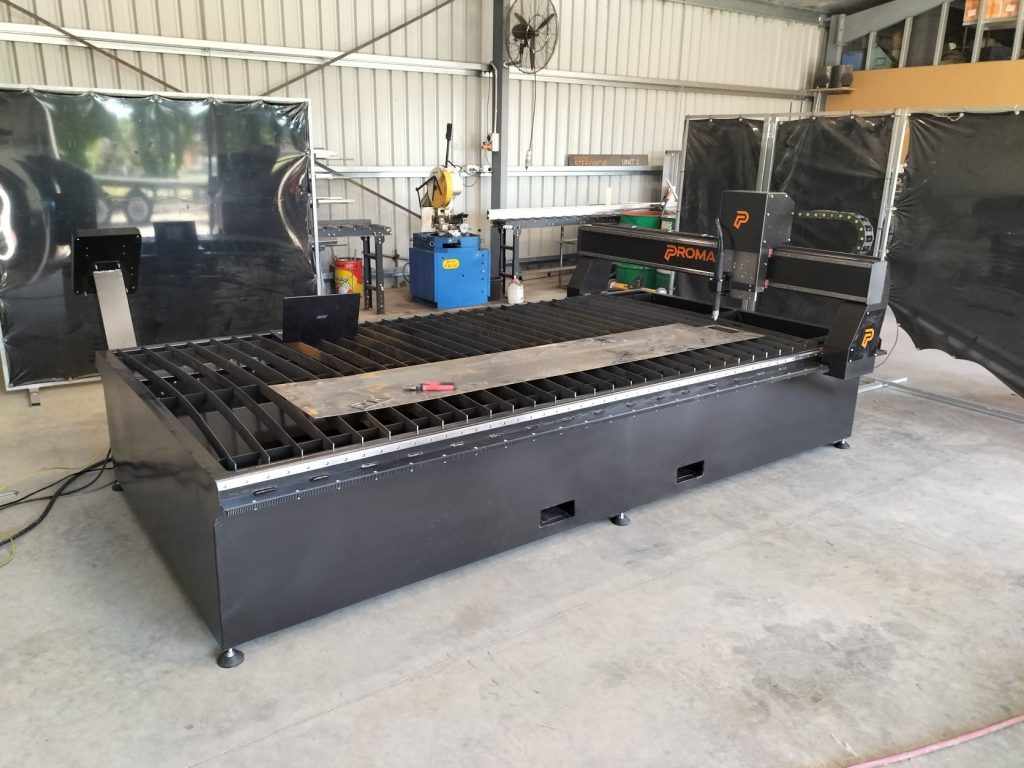
A plasma cutting CNC (Computer Numerical Control) table is a machine designed to cut through metal materials using a high-temperature plasma torch. The CNC system allows for automated, precise cuts based on programmed designs.
Key components of a plasma cutting CNC table include:
Plasma Torch: Generates a focused plasma arc to cut through materials.
CNC Controller: Handles the programming and movement of the torch.
Cutting Table: Provides a stable platform to hold the material.
Power Supply: Delivers the necessary energy for the plasma torch.
Software: Enables users to design and program cutting paths.
How Does a Plasma Table Cutter Work?
The process involves several steps:
Design Creation: Using CAD (Computer-Aided Design) software, you create a detailed design of the object you want to cut.
Programming: The CAD file is converted into a CNC-compatible format using CAM (Computer-Aided Manufacturing) software.
Material Setup: Place the metal sheet or material on the cutting table.
Torch Activation: The plasma torch generates a high-temperature arc that ionizes gas, creating plasma to melt and cut through the metal.
Precision Movement: The CNC system guides the plasma torch along the programmed path for accurate cuts.
Benefits of Using a Plasma Cutting CNC Table
Plasma table cutters offer several advantages, making them a popular choice for metal fabrication:
1. Precision and Accuracy
CNC technology ensures precise cuts, reducing material waste and increasing the quality of finished products. This is especially crucial for intricate designs.
2. Speed and Efficiency
Plasma cutters can cut through thick materials quickly, significantly reducing production time. Automated CNC systems further enhance efficiency by eliminating the need for manual operation.
3. Versatility
Plasma cutting CNC tables can handle a variety of metals, including:
Steel
Stainless steel
Aluminum
Copper
Brass
4. Cost-Effective
While the initial investment may be high, plasma cutters save money in the long run by reducing labor costs and material waste.
5. User-Friendly Technology
Modern plasma cutting CNC tables come with intuitive software, making them accessible even for beginners.
Factors to Consider When Choosing a Plasma Cutting CNC Table
Before purchasing a plasma table cutter, evaluate the following factors to ensure it meets your needs:
1. Cutting Capacity
Determine the maximum thickness of metal you plan to cut. Choose a machine with a plasma torch capable of handling that thickness.
2. Table Size
The size of the table determines the maximum dimensions of the material you can work with. Consider the space available in your workshop and the typical size of your projects.
3. Power Requirements
Plasma cutters vary in power output. Ensure your machine is compatible with your workshop’s power supply.
4. Software Compatibility
Check if the machine's software supports the file formats you use. Look for user-friendly interfaces and robust customer support.
5. Durability and Build Quality
Invest in a well-built machine to ensure longevity and consistent performance. Look for features like a sturdy frame and quality components.
6. Budget
Set a budget, but remember that quality and reliability often justify higher upfront costs. Consider the long-term savings in labor and material costs.
Popular Applications of Plasma Cutting CNC Tables
Plasma table cutters are used across various industries and projects, including:
Automotive Fabrication: Creating custom parts and components.
Industrial Manufacturing: Cutting large sheets of metal for machinery.
Artistic Creations: Producing decorative metalwork and sculptures.
Construction: Crafting structural components and panels.
Repair and Maintenance: Cutting replacement parts for machines and tools.
Maintenance Tips for Plasma Cutting CNC Tables
To maximize the lifespan and performance of your plasma table cutter, follow these maintenance tips:
Regular Cleaning: Remove dust, debris, and slag from the cutting table and torch.
Inspect Consumables: Regularly check and replace torch consumables like electrodes and nozzles.
Lubricate Moving Parts: Ensure smooth operation by lubricating rails and gears.
Check Connections: Verify that cables and hoses are securely attached and free of damage.
Software Updates: Keep your CNC software up-to-date for improved functionality.
Conclusion
A plasma cutting CNC table is a powerful tool that can elevate your metal fabrication projects to new heights. By understanding how these machines work, their benefits, and the factors to consider when choosing one, you can make an informed decision tailored to your needs.
Whether you’re a professional fabricator or a DIY enthusiast, investing in a plasma table cutter can save time, reduce costs, and improve the quality of your work. Explore your options and find the machine that’s right for you—and start creating with precision and efficiency today!







Write a comment ...